
Colic is one of the most common and frightening medical concerns horses face. Researchers from the equine medicine department of the Royal Veterinary College in the United Kingdom sought to determine the connection between breed and gastrointestinal lesions.
Their findings suggest that different breeds may have a higher risk for certain types of colic.
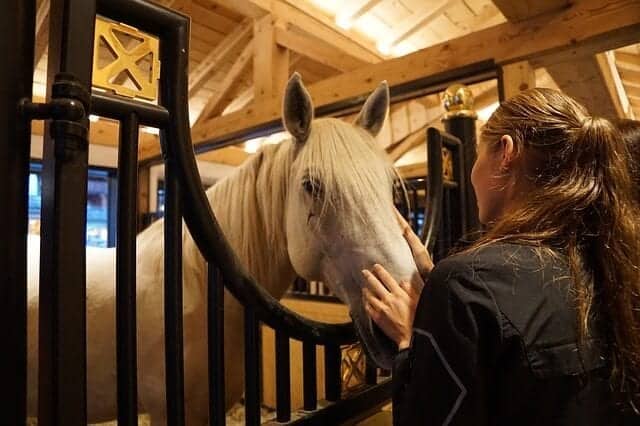
Dr. Bettina Dunkel and her colleagues at the Royal Veterinary College reviewed the medical records of 575 horses diagnosed with a variety of gastrointestinal lesions. Breeds included in the study included:
Miniature-type (standing less than 11 hands), pony (taller than 11 hands, but shorter than 14.2 hands), Arabian, light-breed (largely Thoroughbreds and Warmbloods), or draft-type.
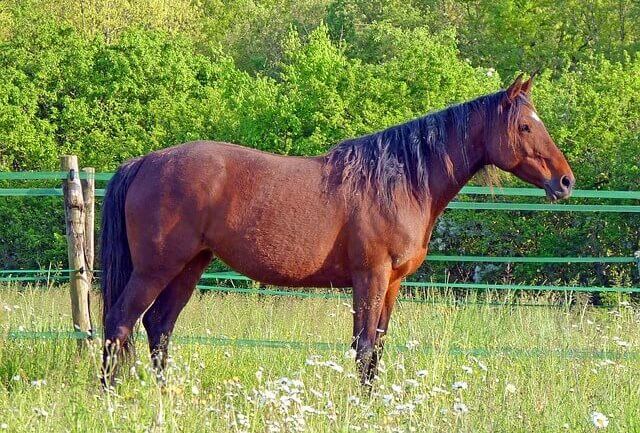
They found that minis were most likely to experience large colon impactions and colitis (inflammation of the large colon, often associated with diarrhea). They rarely suffered strangulating small intestinal lesions.
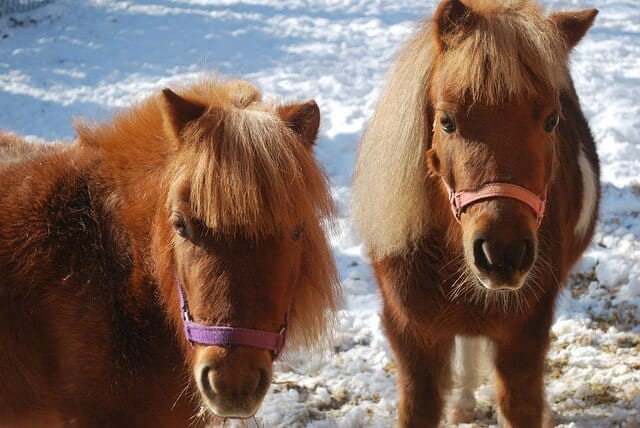
Ponies were predisposed to strangulating small intestinal lesions, typically involving a lipoma (fatty tumor).
“The fact that Miniature horses rarely have strangulating small intestinal lesions due to lipomas while ponies very frequently do was surprising,” Dunkel said.

Thoroughbreds and Warmbloods were found to have the highest risk for large colon displacements.
“We suspect that the high frequency of displacements is due to the shape of the abdomen and size of the horse,” Dunkel said. “The taller the horse, the more frequent displacements.”
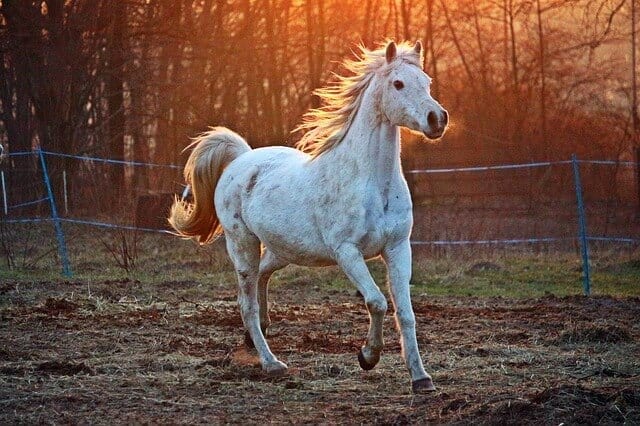
Finally, Draft horses suffered most often with large intestinal diseases (such as large colon volvulus, or twist) and diseases affecting the cecum.
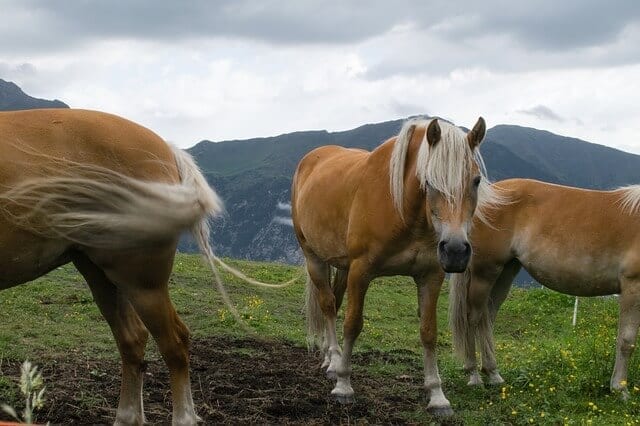
Dunkel was careful to add that although the study may help horse owners predict the odds of certain lesions, any breed can develop any form of colic.
“Even if a certain lesion is rare in a certain type of horse or pony, it can still occur and must not be missed,” she said.
For all of us who have horses, the c-word is one of the most terrifying emergencies we never want to encounter. Learn about the different types of horse colic here as well as the warnings signs of them on iHeartHorses.com.
Horse Courses by Elaine Heney
- Listening to the Horse - The Documentary by Elaine Heney & Grey Pony Films
- Shoulder In & Out Training for better balance, bend & topline development with your horse
- Over 110+ Polework Exercises & Challenges to Download
- Dancing at Liberty & Creating Connection with Your Horse (11 lessons) - Grey Pony Films
H/T to TheHorse.com
Leave a Reply